Why Choosing A Movie Now Feels More Like A Risk Than A Habit
Watching a film used to begin with fewer options. A person picked from what was on TV, what sat on a shelf, or what was showing at a cinema. The decision could still be wrong, but the field was small.
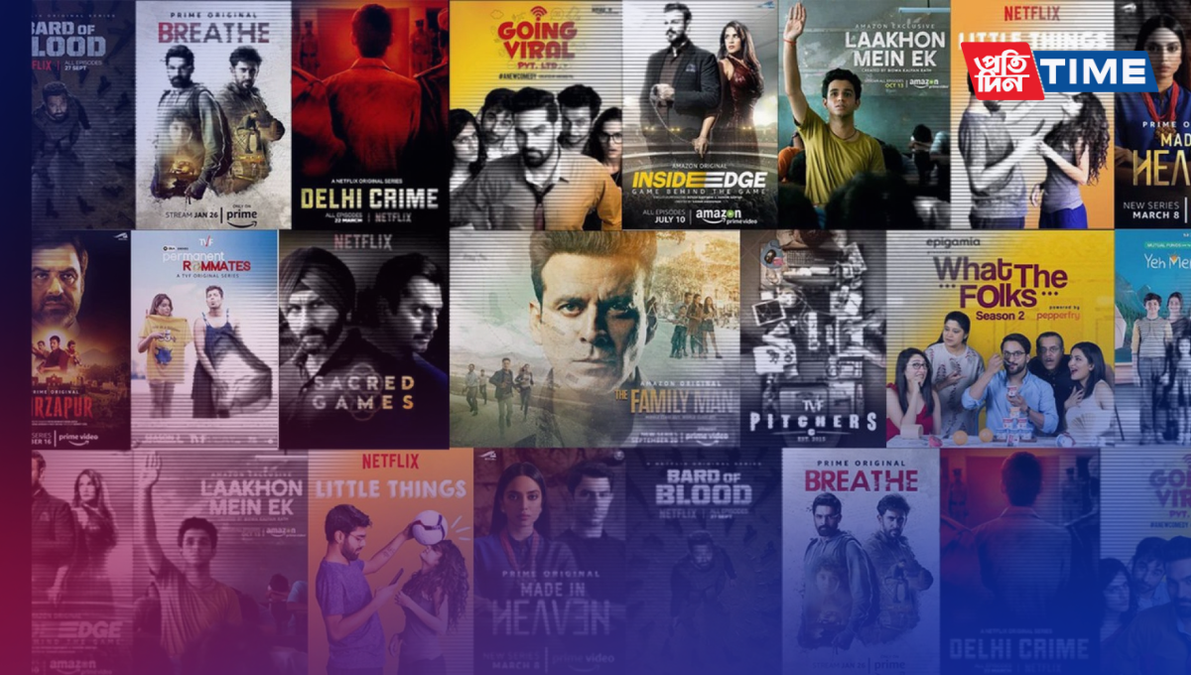
Streaming changed that. Now the viewer stands in front of a wall of titles that seems to move without ending. Each poster asks for time. Each trailer promises mood, pace, and payoff. Most of those promises cannot be tested in advance. The viewer has to choose first and judge later.
That is why picking a movie now feels like a bet. The stake is not money alone. It is time, attention, energy, and mood. A two-hour film can reward the evening or flatten it. A weak choice can leave the viewer not only bored, but irritated by the search that came before it.
This changes the act of choosing. It is no longer a simple selection. It becomes a small risk calculation. Is this film likely to hold attention? Does the cast signal quality or just familiarity? Is the high rating meaningful, or does it reflect hype from a narrow audience? The viewer scans clues and forms a guess.
The guess is necessary because streaming platforms offer more than any person can evaluate properly. No one can inspect every title. So people rely on shortcuts. Cover art. Genre tags. A known actor. A friend’s message. A scene clipped online. These cues act like quick signals in a crowded market.
The problem is that signals often mislead. A strong poster can hide a thin film. A weak title can cover a sharp one. A familiar actor can appear in a project that never finds its shape. The viewer knows this, yet still has to choose with partial information.
This is what makes modern movie selection feel unstable. The supply is huge. The cost of a bad choice is real. The clues are useful, but not fully reliable. So each pick becomes an act of judgment under uncertainty.
In that sense, the streaming era did not just change how people watch. It changed how they decide. The search itself became part of the experience, and often part of the risk.
Decision Signals: How Viewers Use Clues To Reduce Uncertainty
Viewers rarely choose at random. They scan for signals that suggest quality.
The first signal is familiar faces. A known actor or director creates a baseline expectation. Past work becomes a shortcut. If previous films held attention, the next one gains trust before it starts.
The second signal is ratings and reviews. Numbers offer quick direction. A high score suggests broad approval. But scores compress many opinions into one figure. They can hide differences in taste, pacing, or tone.
The third signal is genre labeling. Tags like thriller, drama, or comedy set expectations. They tell the viewer what kind of experience to expect. But genres often overlap. A film marked as drama may move like a slow thriller or a quiet character study.
Trailers act as a stronger filter. They show rhythm, color, and dialogue. They give a sense of how the film moves. But trailers are edited highlights. They present the best moments, not the full structure.
People combine these signals fast. They compare, weigh, and decide. This process resembles how users evaluate options in other uncertain environments. A person browsing an india live casino platform, for example, reads visual cues, checks quick indicators, and makes a choice without full information. The pattern is similar. Limited data. Fast judgment. Commitment follows.
The key point is not accuracy, but confidence. Signals do not guarantee a good outcome. They reduce doubt enough to act. Without them, the viewer would remain stuck in endless scrolling.
Good decision-making, then, depends on reading signals without overtrusting them. Each clue helps, but none decides alone. The viewer still takes a risk.
Time Cost And Opportunity Loss: What A Bad Choice Really Means
A weak film costs more than boredom. It consumes time that cannot return.
Two hours spent on a poor choice remove the chance to watch a better one. This is opportunity loss. The viewer does not only lose enjoyment. They lose the alternative they did not pick.
This cost shapes behavior. Many viewers quit early. They test a film for ten or fifteen minutes. If it fails to engage, they move on. This reduces loss, but it adds a new cost: repeated starts and stops.
Frequent switching creates fatigue. Each new title requires fresh attention. New characters. New tone. New pace. The mind resets again and again. Instead of watching one strong film, the viewer samples many weak ones.
This leads to a paradox. More choice should increase satisfaction. In practice, it can reduce it. The viewer spends more time deciding and less time enjoying.
Time pressure also changes standards. After several failed picks, a viewer may accept a film that is “good enough” rather than strong. The goal shifts from finding the best option to avoiding another loss.
This is why decision quality matters. A slightly better choice at the start saves more time than any correction later. Early accuracy reduces switching. It protects attention.
The real stake, then, is not just the film itself. It is the evening as a whole. One good choice can carry it. One poor choice can break it.
Understanding this cost makes the selection process sharper. It turns casual picking into deliberate filtering.
Selection Strategies: How Viewers Improve Their Odds Over Time
Viewers rarely stay random for long. They build simple systems.
One approach is source filtering. Instead of browsing everything, the viewer limits options to trusted sources. A specific director. A short list of actors. A few reviewers with consistent taste. This reduces noise before the search begins.
Another approach is time-based testing. The viewer commits to a short trial window. Ten to fifteen minutes. If the film fails to hold attention, they exit without regret. This controls loss and keeps momentum.
A third method is context matching. The viewer aligns the film with mood and setting. A slow drama fits a quiet evening. A fast thriller fits a short window. Matching context reduces mismatch, which is a common cause of early drop-off.
Some viewers track outcomes. They remember which choices worked and which failed. Over time, they refine their signals. They learn which genres mislead them, which ratings align with their taste, and which trailers overpromise.
There is also pre-selection. Viewers build a short list in advance. When it is time to watch, they choose from that list instead of starting from zero. This removes pressure from the moment of decision.
None of these methods remove uncertainty. They narrow it. They turn a wide field into a smaller, more manageable set.
The goal is not perfect prediction. It is better starting positions. A stronger start reduces the need for correction later.
Over time, these small adjustments improve outcomes. Fewer false starts. More complete watches. More evenings that hold together.
Better Choices Come From Better Filters, Not Perfect Knowledge
Streaming offers more than anyone can fully assess. The viewer cannot remove uncertainty. They can shape it.
Strong outcomes start with clear filters. Limit the field. Use signals, but test them. Match the film to the moment. Commit early, but exit when needed.
The decision is not about certainty. It is about reducing avoidable risk. A good filter set improves the first pick. A better first pick protects time and attention.
Over time, viewers learn what works for them. They refine sources. They adjust expectations. They build habits that guide choice without slowing it.
The result is not perfect accuracy. It is consistent improvement.
In a space with endless options, that is enough.